
EnergyConnect
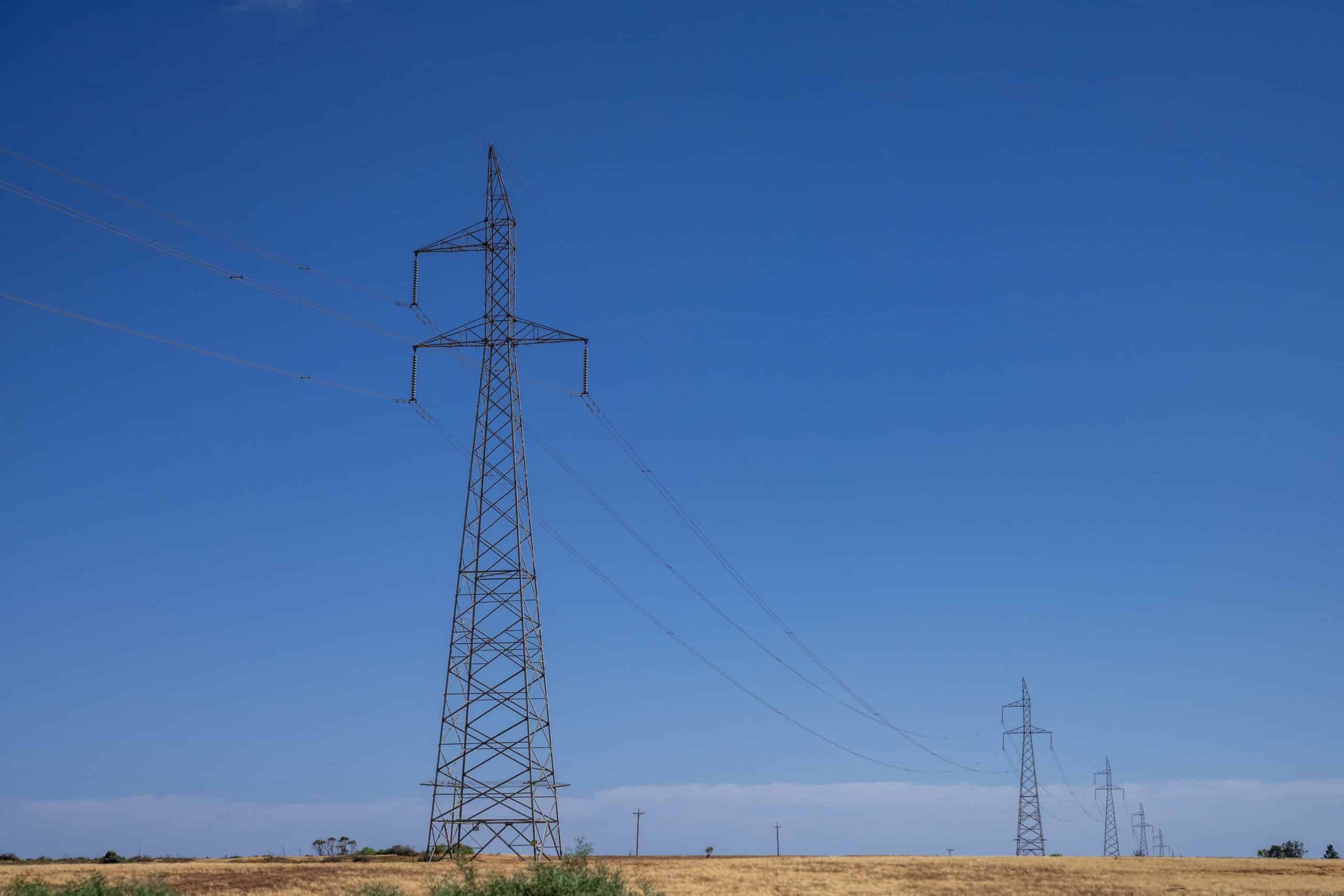
ElectraNet and Transgrid are partnering to deliver an energy interconnector between the power grids of SA and NSW, with an added connection to Victoria.
The NSW section of EnergyConnect is the first project of its kind in Australia to undertake IS Design and As-built ratings. Transgrid's construction delivery partner, SecureEnergy led by Elecnor Australia, has set numerous sustainability targets through their sustainability commitments and sub-contract requirements.
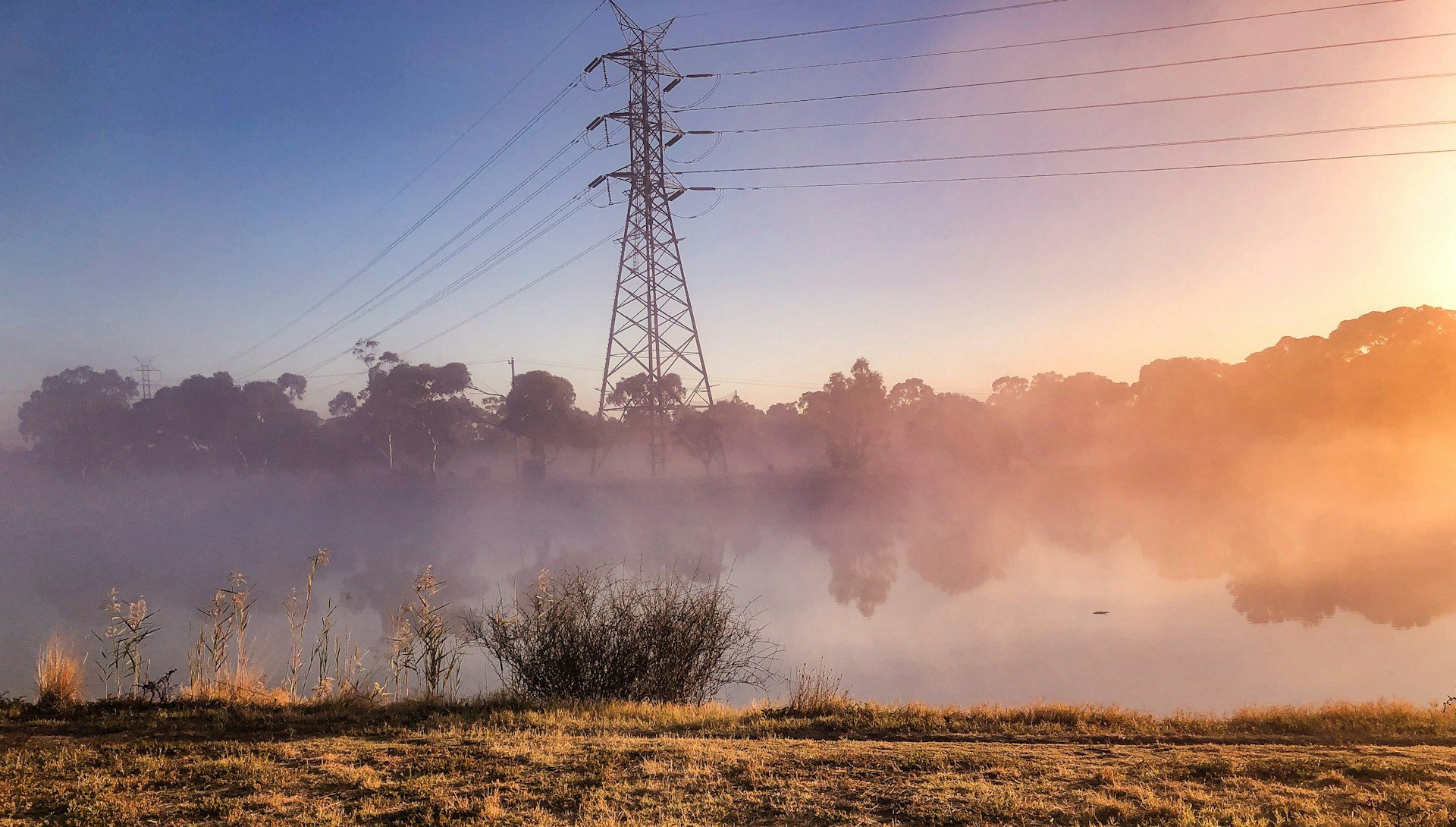
SecureEnergy is particularly focused on applying innovative solutions reducing the whole-of-life carbon footprint, minimising the use of energy, water, and materials, reducing waste, and ensuring resilience against forecast climate impacts.
Sustainability opportunities SecureEnergy has implemented to achieve excellent environmental outcomes on EnergyConnect include:
-
These require approximately 15 per cent less steel and 25 per cent less concrete in construction compared with self-supporting conventional towers which have four legs, achieving a reduced carbon footprint.
-
SecureEnergy is using SCM in place of Portland cement and recycled aggregate has been implemented, reducing the projects greenhouse gas emissions. This involved early engagement with concrete suppliers to understand the current market in regional NSW and VIC and what was achievable.
The project team found that concrete manufacturers in rural Australia, typically use 100% Portland cement and naturally occurring sand in their BAU concrete mixes. The concrete supply contract requires a minimum 35% SCM content and recycled aggregate (manufactured sand), which has been adopted.
-
An EPD is being developed through the project supply chain for the specified concrete mixes and is being implemented by the main concrete supplier, Mawson’s, through consultants Start2See.
-
SecureEnergy identified refinements to the clearing model presented in the EIS and BDAR to align with the vegetation clearance requirements detailed in Transgrid’s Transmission Line Construction Manual. These refinements are being implemented across the project.
-
The Sustainability team worked with the Procurement team to reduce packaging waste in the supply chain. This required early investigation of the different waste streams for the project and alternative packaging options before the importation of materials.
The ceramic insulators imported from China come in timber pallets and on importation, timber must abide by strict quarantine standards and in many cases is sprayed with hazardous chemicals upon entry. If the timber is sprayed, it is unable to be recycled or reused.
This engagement with the supply chain has led to the timber pallets being heat treated prior to arrival in Australia, so they can be recycled.
-
Return and earn recycling bottles has also been implemented at the temporary construction camps through working with the Construction and Environment teams, and profits donated to charity.
A food waste diversion from landfill investigation has also been completed and the Sustainability team is currently working with the Construction team and camp operators to implement initiatives.
Major reduction in greenhouse gas emissions
SecureEnergy is using SCM in place of Portland cement and recycled aggregate has been implemented, reducing the projects greenhouse gas emissions. This demonstrates a transformation in the regional concrete supply market and has led to the development of an environmental product declaration (EPD) for the specified concrete mixes and is being implemented by the main concrete supplier Mawson’s through consultants Start2See.
The EPD will be independently verified and registered, which will communicate transparent and comparable data and other relevant environmental information about the life-cycle environmental impact of the specified concrete mixes. The EPD will be publicly available and mutually recognised within the internal EPD system, ensuring global alignment and broad market visibility. Given the scale of the project, this represents a major reduction in greenhouse gas emissions. SecureEnergy is contributing to changing unsustainable production patterns, and significantly reducing whole-life carbon.
Once the design submission results are finalised with ISC, the NSW Section of EnergyConnect will be the first electricity transmission line in Australia to achieve IS Design and As-built ratings. This will set a new benchmark for electricity transmission projects in Australia.
Initiative benefits
-

Maximising net ecological gain
Maximising net ecological gain in comparison to the assessed level of impact in the EIS and BDAR through reduced land and vegetation clearance is essential for the long-term survival of many species because it facilitates fauna movement on a local scale, for foraging and sheltering, as well as on a regional scale as a wildlife corridor for dispersal and migration. Connectivity corridors are being implemented for EnergyConnect NSW.
Western Section at the following locations:
In key riparian areas (the Darling River; the Greater Darling Anabranch, and the Murray River)
Areas of the alignment that join with proposed Biodiversity Stewardship Agreement sites and/or conservation reserve estate
Areas of existing dense mallee/belah vegetation
Eastern Section connectivity corridors are proposed to occur as a minimum at:
Key riparian crossings (Murrumbidgee River, Yanco Creek, Colombo Creek)
Areas of the alignment joining proposed biodiversity stewardship sites and/or conservation reserve estate
Areas of existing dense mallee/belah
-

Reduction in vegetation clearance
Habitat connectivity corridors will be 20m wide and will typically be located adjacent to towers where the height of the transmission line is greater, and an increased vegetation height can be accommodated.
Connectivity corridors are locations where the existing vegetation will be retained to a 10m or 20m growth height wide temporary construction centreline clearing zone.
Reduced land and vegetation clearance on EnergyConnect has led to approximately 35% reduction in vegetation clearance on the Western Section (SA Border to Buronga) and 11% reduction in vegetation clearance on the Eastern Section (Buronga to Wagga Wagga).
-

Reduction of packaging waste in the supply chain
Collaboration with the Procurement team enabled the use of heat treatment of pallets to allow for recycling and thus reduce packaging waste in the supply chain.
This demonstrates innovation in the identification of measures to avoid waste and industry leadership in our continued drive to enhance sustainability of our projects. This ensures the protection of biodiversity and ecosystems, and climate change mitigation.
Also, bottle recycling through the Return and Earn scheme will continue to generate money to be donated to local charities, in turn boosting rural services, economies and communities.
EnergyConnect’s pursuit of improved environmental outcomes compared to the assessed level of impact in the EIS and BDAR completely supports the commitment and contribution to the United Nations Sustainability Development Goals (SDGs). The UN’s SDGs are embedded across EnergyConnect which leads to direct, indirect, and induced impacts addressing the world’s most pressing social, economic and environmental issues.

UN SDG contribution was achieved through sustainability-centred design objectives:
-
The new transmission line will provide clean and more efficient energy will encourage growth and help the environment, with lower power bills for home and businesses.
-
EnergyConnect will create 1,500 jobs, primarily across regional NSW. The landmark project is providing a boost to local and Indigenous communities through employment, opportunities for local businesses and suppliers, improvements in infrastructure and increased economic activity.
-
EnergyConnect's route passes through renewable energy zones which will transform energy supply for millions of Australians. The project will improve the affordability, reliability, and security of electricity supply.
-
EnergyConnect is committed to reducing the ecological footprint through using sustainable concrete mixes, reduced land and vegetation clearance, and packaging waste within the supply chain.
The efficient management of natural resources, disposal of waste and pollutants, are targets set for the project to achieve this goal.
-
Minimising the impact on carbon sequestration through reduced land and vegetation clearance go hand in hand with efforts to integrate disaster risk measures and sustainable natural resource management.
This content is derived from an Infrastructure Sustainability Council Gala Awards Submission. For more details, please visit the ISC Case Studies.